

A funny thing happens when you’re somewhere beautiful and unbothered. The mental shift is almost immediate. You stop being a visitor and start asking a different kind of question.
What if I had this life all the time?
What if I actually made the move?
It’s a natural progression — and if you’re reading this, you’ve probably already been there.
In Why A Scouting Trip Is A Necessary Part of Your Planning Process, I laid out why visiting a location before you commit to it is one of the smartest things you can do in your planning process. Research gets you far, but it doesn’t get you all the way. At some point you have to be in the place, living something close to daily life, to know whether it actually works for you.
When I was seriously considering the Dominican Republic, I did exactly that. I had long-term vacation available and used it deliberately — not to relax, but to evaluate. I wanted to know if this could actually be my life, not just a place I enjoyed visiting.
Here’s what I recommend you do when you get there.
I intentionally stayed within the local community. When you’re on vacation, you’re likely staying at a hotel, particularly one that caters to foreigners. I wanted a very different experience during my second visit to the island. I was able to get a short-term rental apartment that was in a very vibrant, Dominican neighborhood. Granted, as an American with more disposable income than the average local, I had access to more expensive options. But I at least wanted a more local experience than staying in a resort would have provided.
Make it actionable:
It was helpful to talk to people who lived in the community and visit their homes. It gave me a very tangible point of reference of what I could afford and what I needed to avoid based on my own preferences. I also learned what to expect in a typical local home and what I would need to purchase based on my preferences.
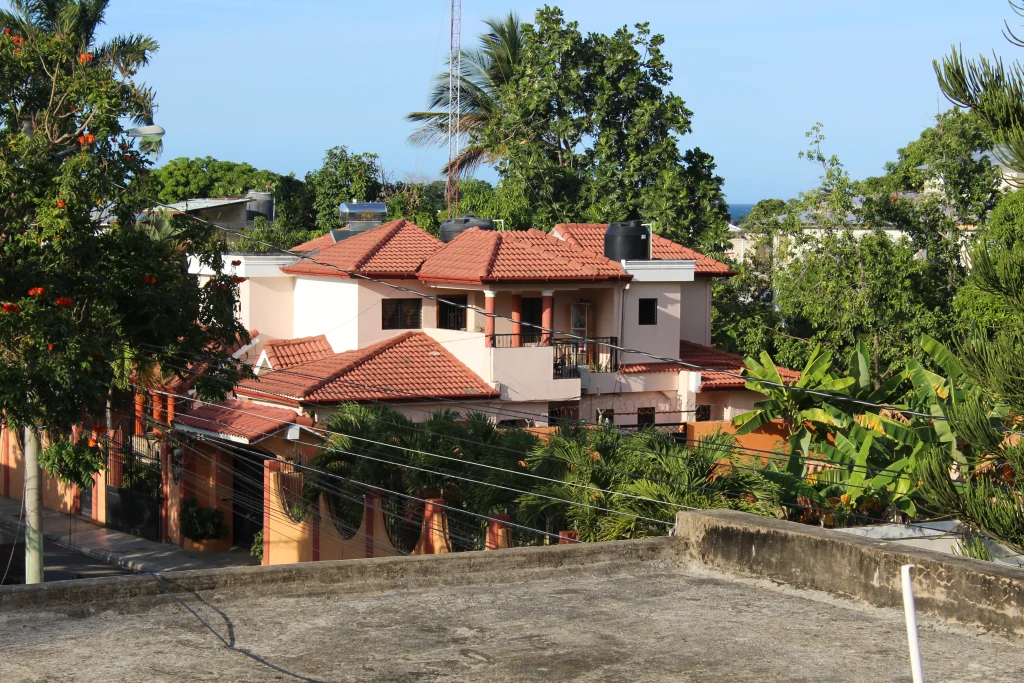
Much of being in the Dominican Republic reminded me of growing up in Cameroon. The early morning rooster crows, the fresh mangos hanging off the neighboring trees and all the sunlight I could want transported me back to my childhood.
But it also reminded me of a lot of things that I had forgotten like power outages. While they weren’t daily, they occurred enough to take notice. I remember when one occurred in the middle of a particularly hot night. This meant that not only was it dark, but there was no access to A/C or a fan and it was sweltering. It was at that moment that I realized I would need to stay somewhere with a generator, if I was going to keep my sanity.
Make it actionable:
Be honest about what you need to live well — not what you think you should be able to tolerate. The point of this exercise isn’t to see how much you can give up. It’s to understand what your life abroad actually costs when you’re living it on your terms. Factor that number into your planning and decide accordingly.
Given it was the tropics and quite hot, I kept the windows and the doors open. This apartment faced an active neighborhood road which meant I got to hear everything. The neighbors’ roosters who didn’t care for my sleep patterns. The trucks that drove slowly through blaring music to draw attention to the fruits for sale in the back of the truck. The motorbike drivers that never anticipated the unpainted speedbump and the subsequent string of Spanish cuss words that followed.
The neighborhood always had something going on. This meant if I was going to remote work, this gave me a good trial run to see if I could concentrate while at home or determine if I needed to find somewhere else. If I had stayed in a hotel, I definitely wouldn’t have considered this being a factor.
Make it actionable:
As I mentioned earlier, I chose to stay in a local neighborhood, as opposed to an expat one. This was a particular choice. You need to prioritize what your experience will be. There isn’t a right or wrong answer but choosing to stay in a neighborhood primarily with foreigners will deliver a different experience than one with locals.
During my initial visit, I was vegging out, spending my days relaxing. My priority was vacation. This trip had a different focus. I used my time to observe the everyday. It helped that I would often accompany my host as she completed errands around the city.
From bank runs to grocery shopping, I got an upfront view of daily life. I ate street food, spent time trying to exchange money, and tried my limited Spanish to order some of the best empanadas around. We spent one Sunday night hanging out on the boardwalk in what could only be described as a very large block party.
Make it actionable:
These activities helped me understand just how much Spanish I would need to navigate daily life. While some people spoke English, I couldn’t have an expectation that everyone would have fluency.
The further you choose to live away from tourist or major hubs, the more you will need to know the local language. Being able to communicate with the locals in their language will go a lot further for integrating into a society. Not only will it reduce isolation, but it will help to build a deeper understanding of the local communities, traditions and customs. And while you may always be seen as a foreigner, speaking the local tongue can lessen certain barriers.
While on this trip, my host rented a car so we were able to get around the city and outskirts with our own transportation. She was able to drive with no issues because her U.S. license was recognized. There are some places where you may not be able to drive immediately. When I lived in Qatar, I had to get a Qatari driver’s license. It was somewhat of a lengthy process, even though I have been a long time driver in the United States.
One of the most common transportation methods in Puerto Plata was to take a motorbike taxi. You hail a driver, negotiate the price and climb on the back seat. While I didn’t mind for quick trips, I wasn’t sure I wanted to hold on for dear life while also holding onto my groceries.
Make it actionable:
In addition, there were other options including taking a bus, getting a taxi, ordering a ride-share service or hiring a private driver who can take you to the places you need to go. If you live close to a city center, you may find more public transportation. However, if you choose to live further out, you might have to rent or purchase transportation. As someone who is used to driving everywhere, I honestly needed to see how much of a hassle it would be to get anywhere I needed to go.
I asked a lot of different questions because I wanted to glean as much information as I could while in the country. I asked about healthcare. I wanted to learn about the education system. I definitely asked a lot about banking, especially after going on a bank run with my host.
Make it actionable:
I focused my questioning particularly on information that was hard to decipher outside of the country. It is so much easier to get responses when you’re interacting with people who live in-country. I wanted clarity on the relative ease of what I considered to be daily tasks in other places.
I wanted my decision-making process to be ultimately based on as much information that was practically available. Which is why you need to build a trusted network of locals and locally based foreigners to give some guidance. Without a doubt, your local contacts can give you proper information as to how to get through the general day to day activities. Whether it’s renting a home, getting a bank account or enrolling your children in school, they can be a great resource. In addition, your expat friends can give you guidance on how you might need to go about executing things as a foreigner.
A scouting trip is one of the best investments you can make in your relocation process. Not just because of what you’ll learn, but because of the confidence it gives you going into one of the biggest decisions of your life. Do the work while you’re there. You’ll thank yourself later.
The Relocation Fit Framework gives you a clear, structured way to evaluate your options — so when you do take that scouting trip, you already know why you're there.
Get the Relocation Fit Framework →